Mike Weber
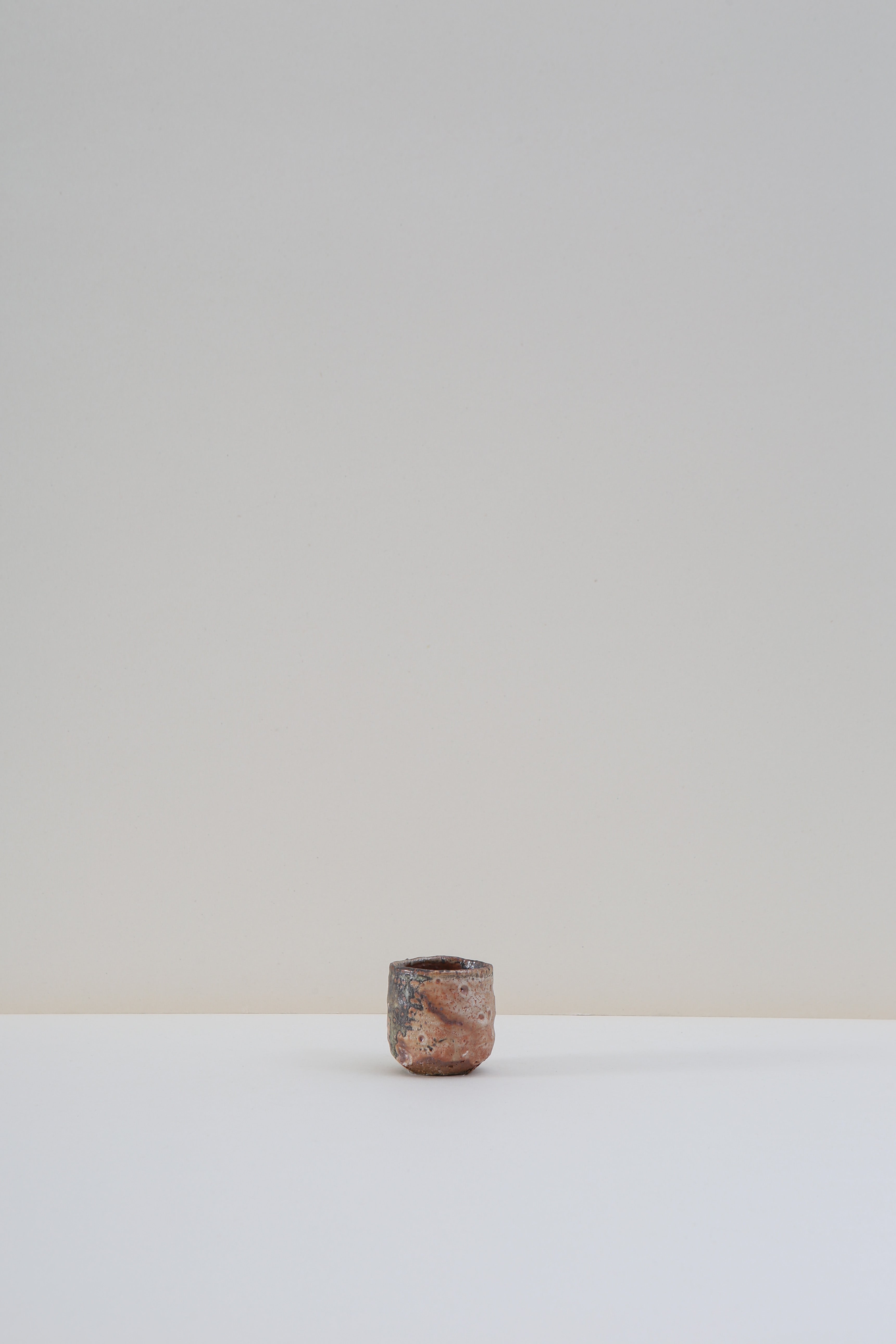
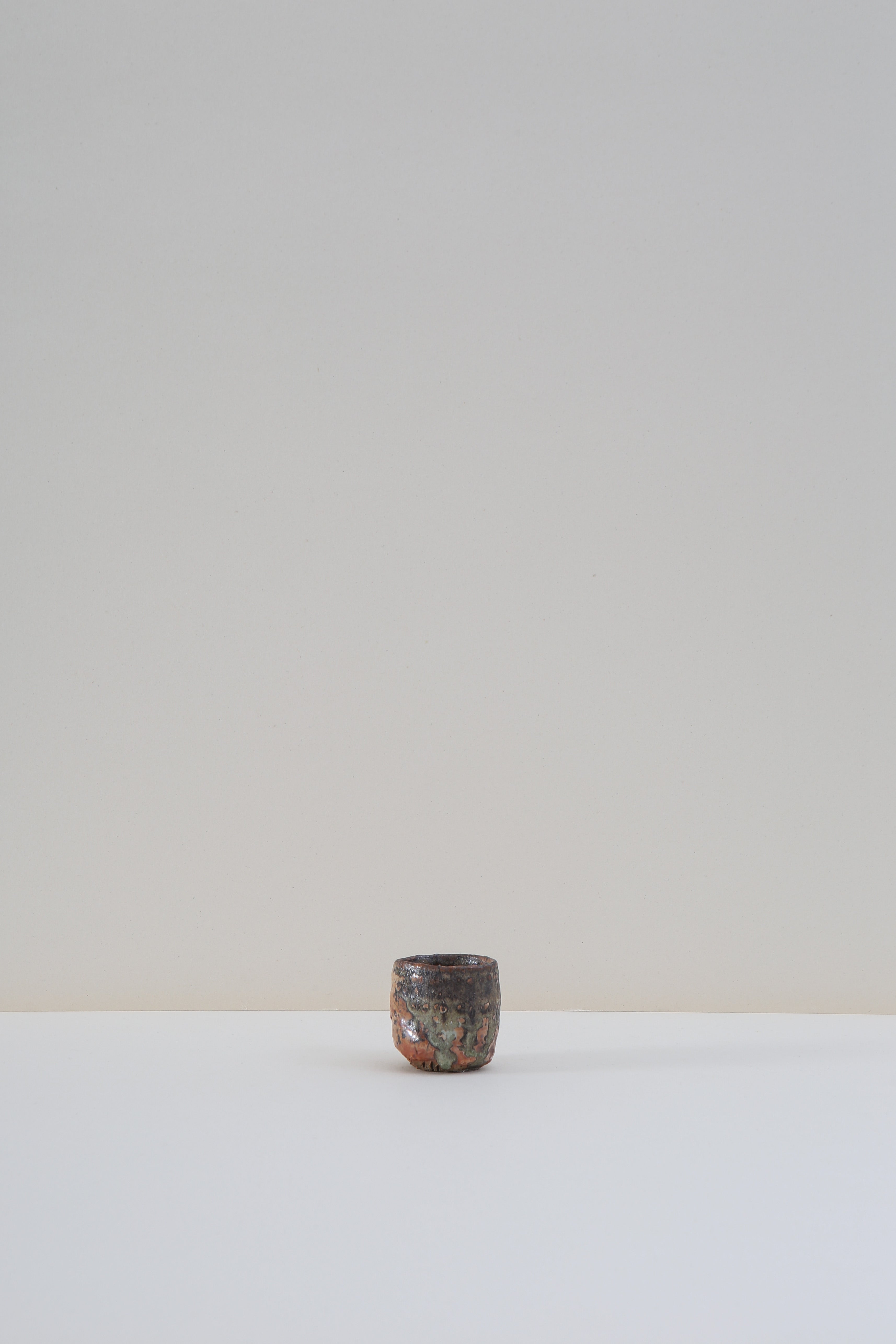
Anagama Sake Cup - III
$150.00
In stock
We’re truly captivated by these small sake cups (guinomi). Unlike our other woodfired work, these cups are subtly glazed before entering the Anagama kiln, giving them a subtle luminosity that emerges beautifully during firing. The resulting textures are mesmerizing—smooth and rough surfaces in cream, brown, and black, tinted green where the ash glaze pooled thickly—and the carved pentagonal foot is our favorite, often-overlooked detail.
Specifications
Materials: Stoneware Dimensions: 2.25" H x 2-2.25" D Origin: Wisconsin, United States
Artist Notes
Mike Weber There is something very romantic about Anagama kilns, and with over 50 years of experience working in clay and Japanese wood-firing techniques, Mike Weber is a Casanova of sorts. Living in northern Wisconsin in a studio surrounded by 90 acres of pristine wilderness, Weber's work is heavily influenced by the natural materiality surrounding him. Instead of perfectly controlling the outcome, he relies on the alchemy of wood, fire, ash, and clay, resulting in pieces that are uniquely beautiful and unexpected. Having exhibited his work throughout the United States, Europe, and Japan, Weber now hosts multiple summer workshops that teach the process of firing a traditional Anagama kiln to potters from all over the world.
Care Instructions
Ceramic pieces can be unglazed, partially glazed, or fully glazed. Each application requires a slightly different approach to caring for the piece. While most ceramics are dishwasher-safe, we recommend handwashing to maximize the piece's longevity. It is best to wash after each use. Lukewarm water and a mild detergent will do, but for a hardier stain, you can use gentle cleansing products like Bon Ami. For woodfired work, if you regularly clean your piece with harsh soaps or in the dishwasher, it might start to look visibly dry. In this case, apply a small amount of mineral oil to your hands and rub the surface of the piece to regain its luster. The porosity of unglazed clay bodies can retain large amounts of moisture and harbor bacteria. Avoid soaking the piece in water for extended periods, as this can lead to discoloration, odor, and mold growth. Most hand-thrown ceramic wares are left with an unglazed foot. If rough to the touch, use 220-grit sandpaper to polish until smooth. Refrain from sliding the piece across surfaces to help avoid scratches on furniture. Wipe the piece with a soft cloth after washing, and dry on a dish rack overnight before storing.