Thylda Palmese
Soba Choko Cup
$50.00
Sold out
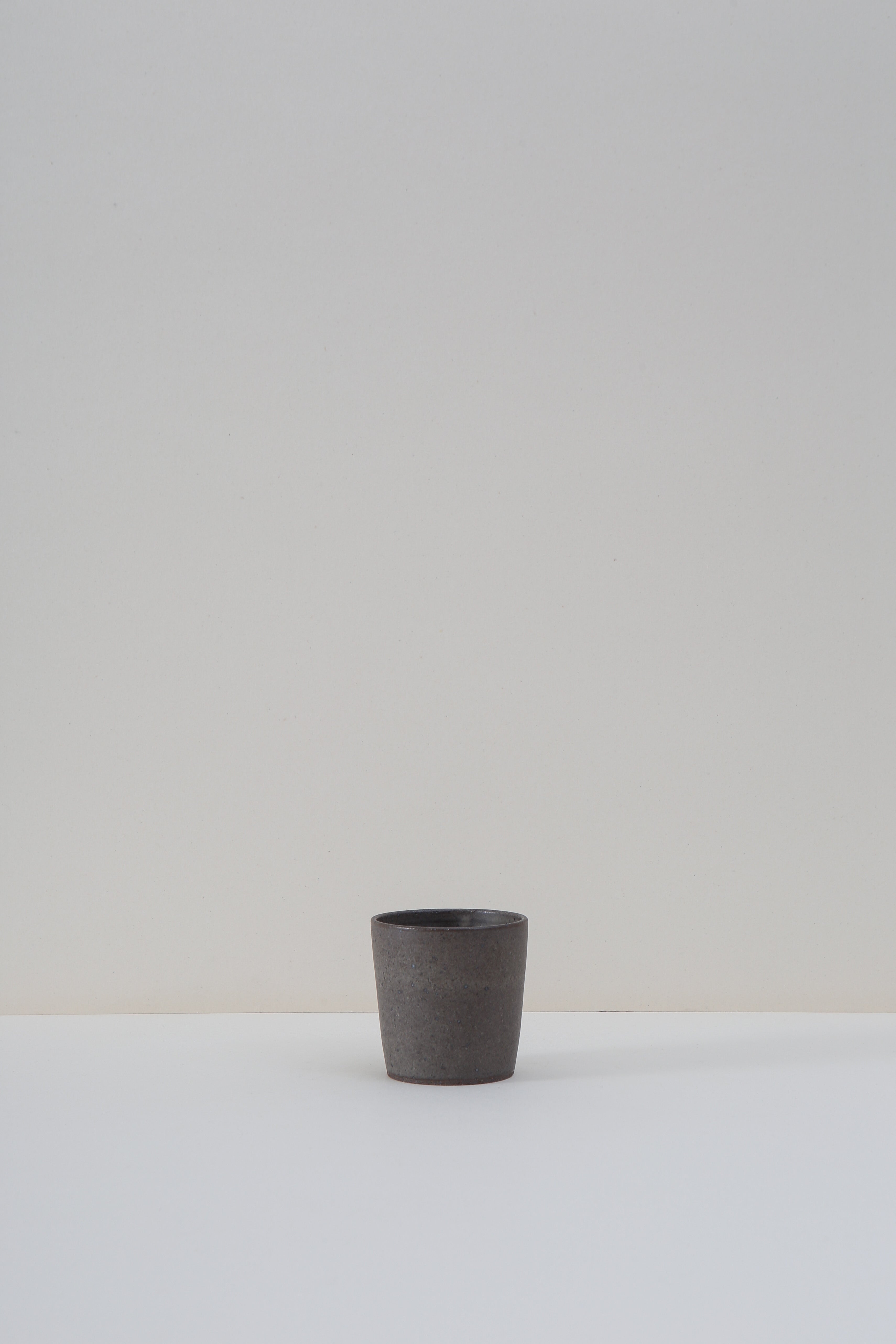
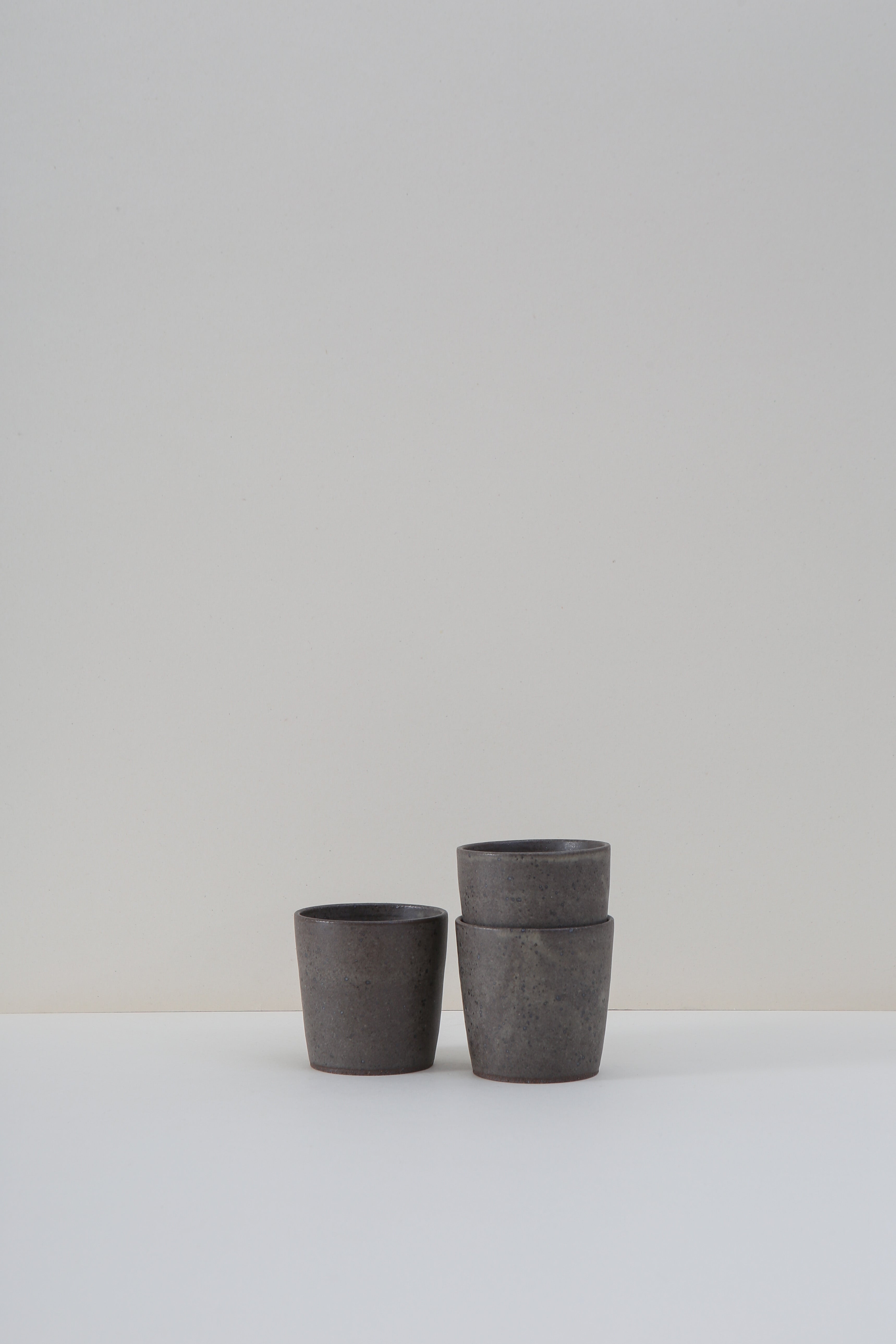
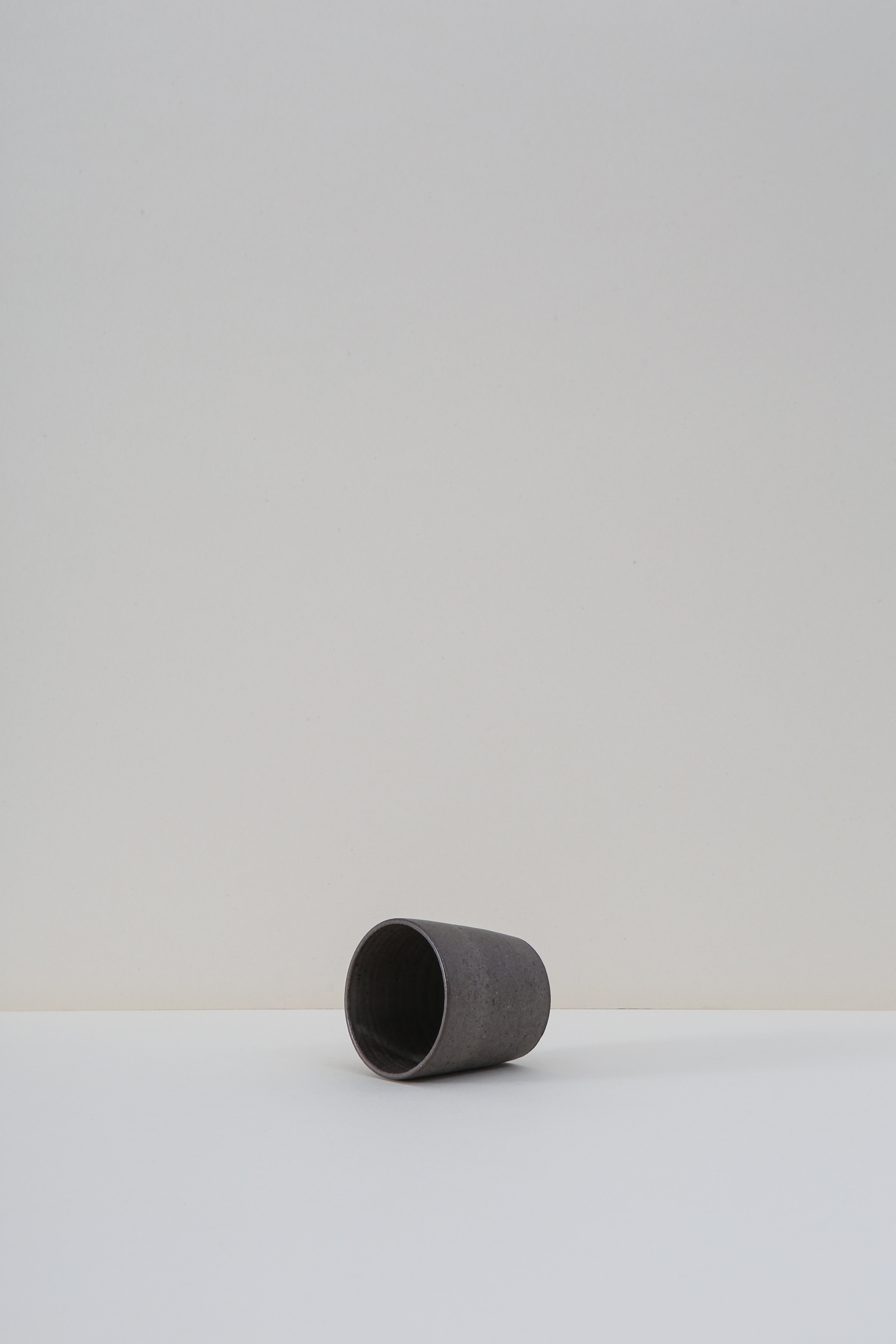
Traditionally crafted for dipping cold soba noodles in sauce, we collaborated with Thylda Palmese to recreate Japan's soba choko cup in her style. Characterized by their diverse designs and materials, soba choko are perfect for coffee, tea, cocktails, dessert, or their traditional use for noodles. We particularly love this cup's warm brown-grey glaze, durable stoneware, and the ease with which it can be stacked and stored.
Specifications
Materials: Stoneware Dimensions: 3.25" H x 3.25" D Origin: California, United States
Artist Notes
Thylda Palmese Reminiscent of 18th and 19th-century French stoneware, Thylda Palmese's work reveres antiquity, materiality, and the emotional weight they carry. Raised in Southern France, Palmese grew up in a home where objects had a story, instilling her belief that craft deeply resonates with memory and gesture and offers a means of paying attention. When viewing her work, you notice a dialogue between contrast and harmony, where quiet forms are met with raw textures and straddle the space between refinement and roughness. Now residing in San Francisco, Palmese splits her time between creating work in her small home studio and closely working with individuals living with dementia as a ceramics instructor, further teaching craft as a means of care and connection.
Care Instructions
Ceramic pieces can be unglazed, partially glazed, or fully glazed. Each application requires a slightly different approach to caring for the piece. While most ceramics are dishwasher-safe, we recommend handwashing to maximize the piece's longevity. It is best to wash after each use. Lukewarm water and a mild detergent will do, but for a hardier stain, you can use gentle cleansing products like Bon Ami. For woodfired work, if you regularly clean your piece with harsh soaps or in the dishwasher, it might start to look visibly dry. In this case, apply a small amount of mineral oil to your hands and rub the surface of the piece to regain its luster. The porosity of unglazed clay bodies can retain large amounts of moisture and harbor bacteria. Avoid soaking the piece in water for extended periods, as this can lead to discoloration, odor, and mold growth. Most hand-thrown ceramic wares are left with an unglazed foot. If rough to the touch, use 220-grit sandpaper to polish until smooth. Refrain from sliding the piece across surfaces to help avoid scratches on furniture. Wipe the piece with a soft cloth after washing, and dry on a dish rack overnight before storing.